

Designing for Darker Days: Light, Circadian Rhythm, and Your Home Workspace
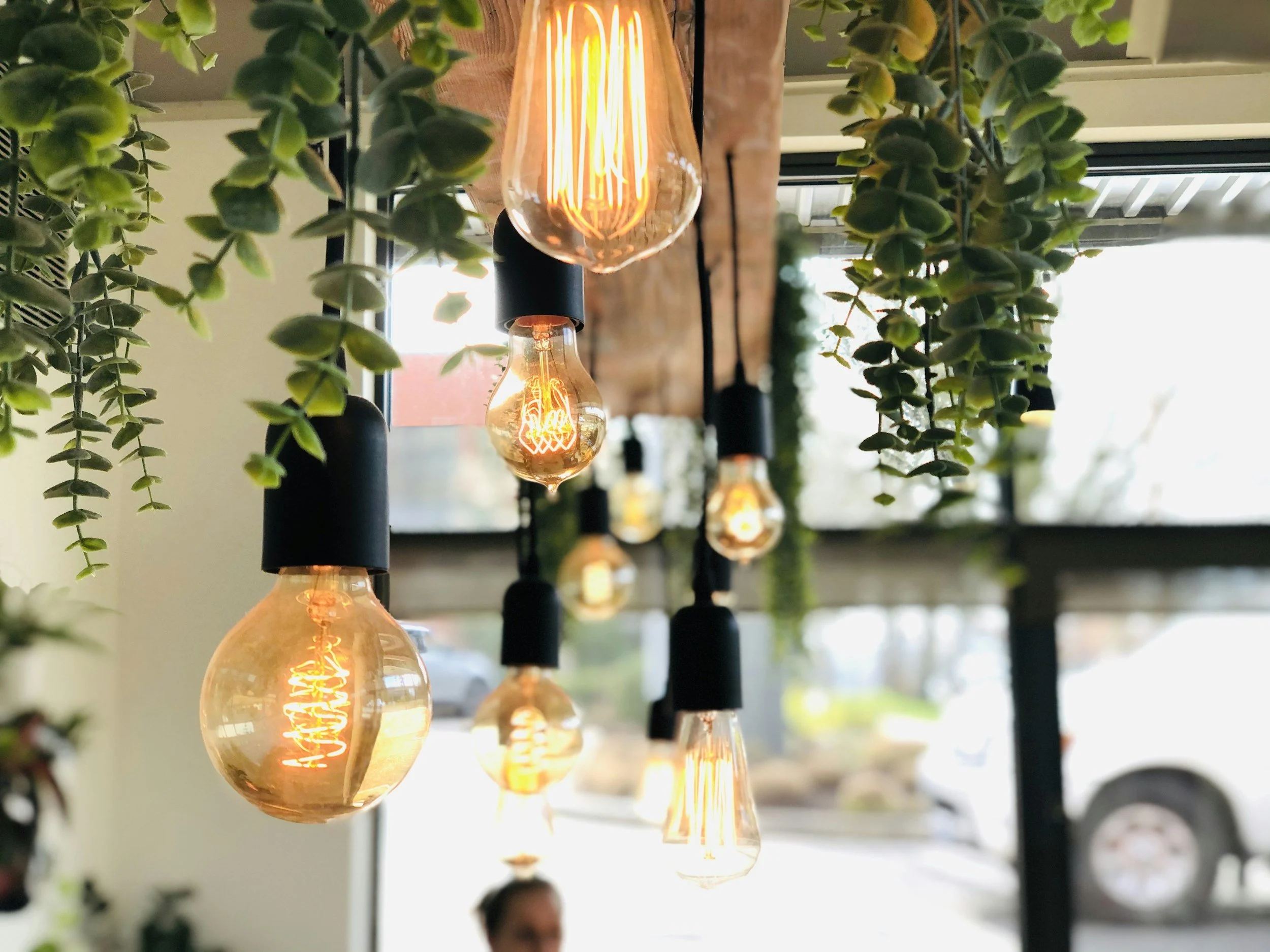
Let the light be!
When the days grow shorter and the skies turn grey, your home workspace can start to feel less like a place of productivity and more like a cave. But poor lighting doesn't just affect your mood—it impacts your energy, sleep, focus, and overall wellbeing.
The good news? With a few intentional changes, you can transform your workspace into a environment that supports you, even on the darkest winter days.
Why light matters more than you think
Light is one of the most powerful tools we have for regulating our bodies and minds. It governs our circadian rhythm—the internal clock that tells us when to feel alert and when to wind down. Natural light, particularly in the morning, signals to your brain that it's time to be awake and focused. As the day fades, dimmer, warmer light helps prepare your body for rest.
When you're working from home, especially during winter, you're often cut off from the natural light cycle. You might start work before sunrise, spend your day under artificial lighting, and finish in the dark. Over time, this disrupts your sleep, drains your energy, and can even contribute to low mood or Seasonal Affective Disorder (SAD).
The home worker's winter challenge: SAD and light deprivation
Seasonal Affective Disorder is a type of depression that follows a seasonal pattern, typically worsening in autumn and winter. Symptoms include persistent low mood, fatigue, difficulty concentrating, and changes in sleep or appetite.
Home workers are particularly vulnerable. Unlike office workers who might walk to work or benefit from well-lit communal spaces, those working from home can go entire days with minimal natural light exposure—especially if your workspace doesn't have a window nearby.
Even if you don't have SAD, reduced daylight can still leave you feeling sluggish, unfocused, and flat.
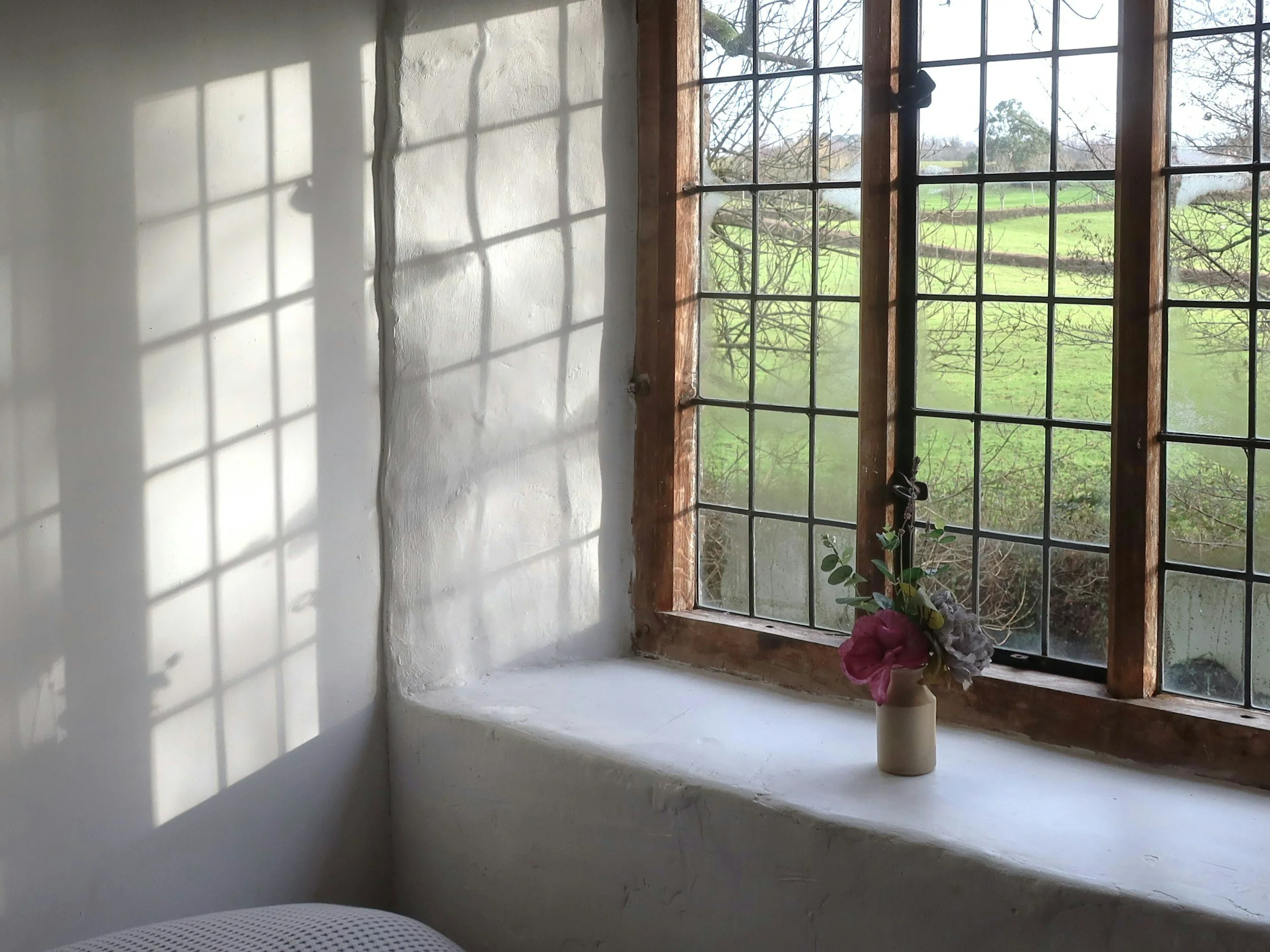
Sit by a window if at all possible. It will not only provide you with natural light but looking out of a window over nature at regular intervals throughout the day enables your brain to reset and recharge.
Start with natural light
Before you invest in lamps or bulbs, maximise the natural light you already have.
Position your desk near a window. Ideally, place your desk perpendicular to the window so light comes from the side, reducing screen glare while still flooding your workspace.
Keep windows clean and unobstructed. It sounds simple, but dusty windows and heavy curtains can block precious daylight.
Use reflective surfaces. Mirrors, light-coloured walls, and glossy finishes can help bounce natural light deeper into your room.
Get outside early. Even a brief morning walk exposes you to natural light, which helps regulate your circadian rhythm and boosts your mood for the day ahead.
Build a layered lighting approach
Good lighting isn't one-size-fits-all. A layered approach gives you flexibility to adjust based on the time of day, task, and how you're feeling.
Task lighting is focused light for specific activities—reading, writing, or detailed work. A desk lamp with adjustable brightness is ideal.
Ambient lighting provides overall illumination for the room. This could be ceiling lights, floor lamps, or wall-mounted fixtures.
Accent lighting adds warmth and visual interest—think fairy lights, candles, or a subtle lamp in the corner. It's not essential, but it can make your space feel more inviting.
By combining these layers, you can create a workspace that feels energising during the day and calming in the evening.
Colour temperature: the secret weapon
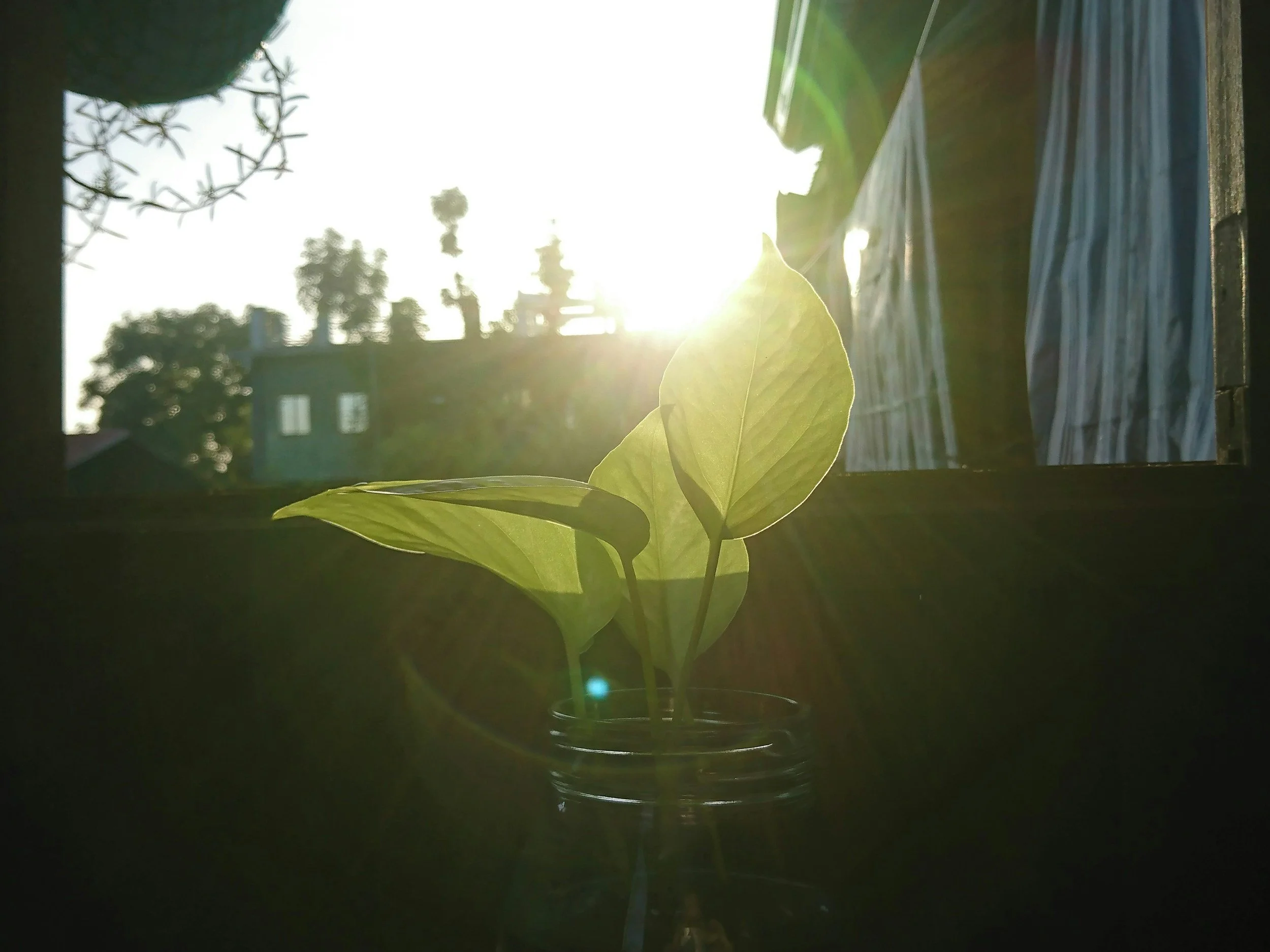
The colour temperature of your lightbulbs has a significant impact on how you feel
Not all light is created equal. The colour temperature of your bulbs—measured in Kelvin (K)—has a significant impact on how you feel.
Cool white light (4000K–5000K+) mimics daylight and promotes alertness. Use this for task lighting during work hours.
Warm white light (2700K–3000K) has a softer, amber tone that feels cosy and calming. Save this for ambient lighting or evening use to help you wind down.
Avoid harsh, cool lighting in the evening. It can interfere with melatonin production and make it harder to sleep.
If you want flexibility, consider smart bulbs that let you adjust colour temperature throughout the day.
Light therapy lamps: worth the investment?
If you struggle with low energy, poor focus, or low mood during winter, a light therapy lamp (also called a SAD lamp) can be a game-changer.
These lamps emit bright light—typically 10,000 lux—that mimics natural daylight. Using one for 20–30 minutes each morning can help regulate your circadian rhythm, boost mood, and increase alertness.
Choosing a light therapy lamp:
Look for 10,000 lux output
Ensure it filters out UV light
Choose a size that fits comfortably on or near your desk
Position it at eye level, about 16–24 inches away, but don't stare directly at it
Aesthetic integration: Modern light therapy lamps come in sleek, minimalist designs that blend into your workspace. Some even double as regular desk lamps, so they don't feel clinical or out of place.
Other mood-boosting strategies:
Use your light therapy lamp while having breakfast or checking emails
Pair it with a morning routine—tea, journaling, stretching—to create a positive association
Combine with movement breaks to maximise energy and focus
When to seek support: If you're experiencing persistent low mood, changes in appetite or sleep, or feelings of hopelessness, speak to your GP. Light therapy can help, but it's not a replacement for professional support.
Budget-friendly lighting upgrades (under £50!)
You don't need to rewire your home or spend a fortune to improve your lighting. Here are some affordable, renter-friendly solutions:
Clip-on desk lamp (£15–£25): Adjustable, focused task lighting that clamps onto your desk or shelf. Look for one with adjustable brightness and colour temperature.
Smart bulbs (£10–£20 each): Replace your existing bulbs with smart versions that let you control brightness and warmth from your phone. Perfect for creating different lighting 'scenes' throughout the day.
LED strip lights (£10–£20): Stick them under shelves or behind your monitor for soft, indirect ambient lighting. Choose warm white for a cosy feel.
DIY light diffusers: Soften harsh overhead lighting by covering bulbs with paper lanterns or fabric lampshades. This creates a gentler, more flattering light.
Reflective accessories: A small mirror or light-coloured desk mat can help bounce light around your workspace, making it feel brighter without adding more bulbs.
Before and after example: Imagine a home office with a single harsh overhead light. It's functional, but uninspiring and tiring. Add a clip-on desk lamp for task lighting, swap the overhead bulb for a warm LED, and add a small string of fairy lights along a shelf. Suddenly, the space feels layered, welcoming, and adaptable—all for under £50.
Considerations for neurodiversity and light sensitivity
If you're neurodivergent or experience sensory sensitivities, lighting can be particularly challenging. Fluorescent lights, flickering bulbs, or overly bright spaces can cause discomfort, overwhelm, or headaches.
What helps:
Avoid fluorescent bulbs—opt for LEDs, which don't flicker
Use dimmers or adjustable lamps so you can control intensity
Layer your lighting to avoid relying on one harsh overhead source
Experiment with warmer tones if cool light feels jarring
Consider blackout blinds or curtains if external light (street lamps, headlights) is intrusive
Everyone's sensory preferences are different, so give yourself permission to adjust until it feels right.
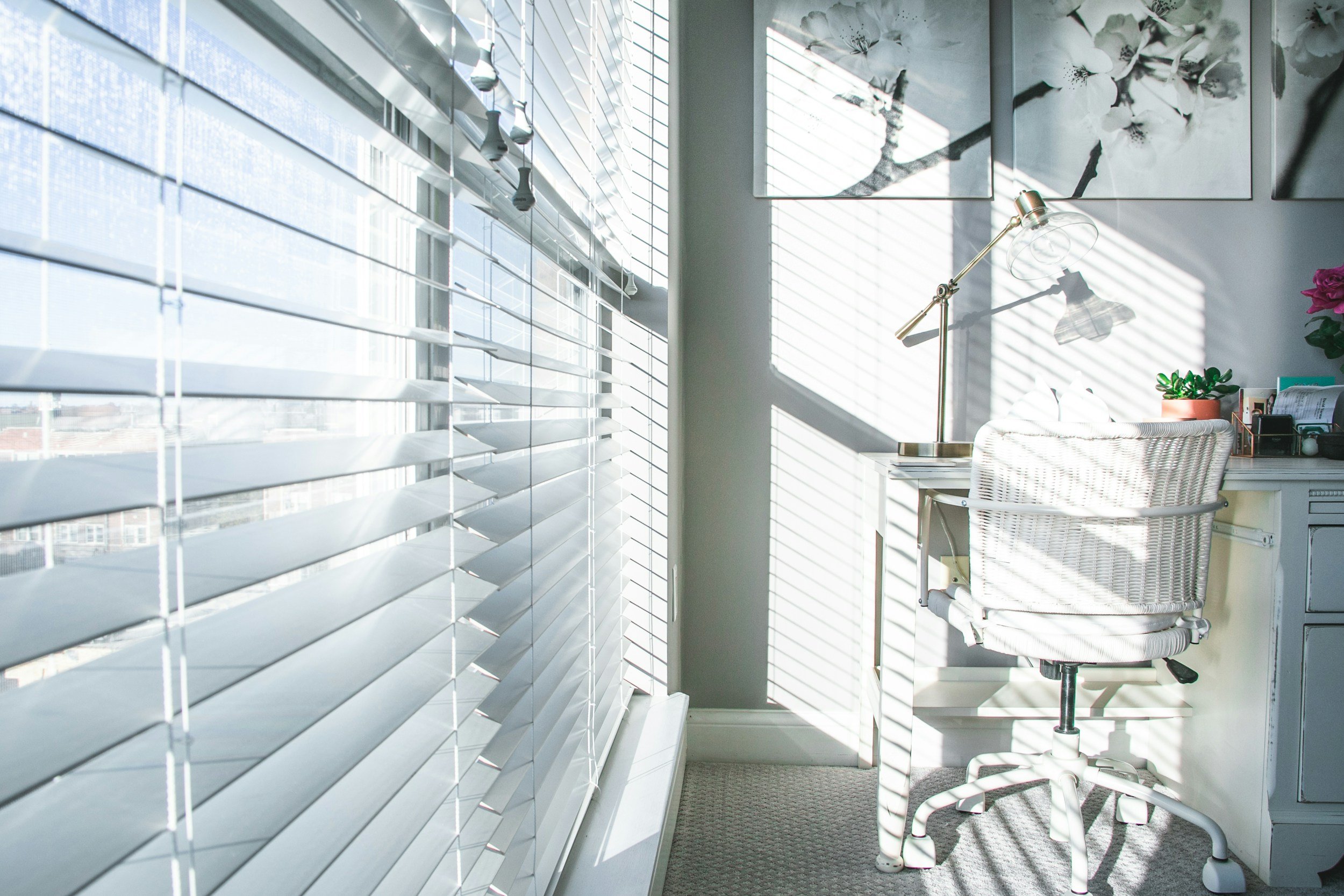
Consider blinds if external light gets intrusive.