

SENSE-HACKING YOUR HOME FOR BETTER WELLBEING
Have you noticed how certain smells can instantly transport you back in time? That lemony scent that reminds you of childhood sweets, or lavender that takes you straight to your grandmother's house? Today, I want to talk about something most of us never think about: how the sights, sounds, smells, and textures in our homes are constantly influencing our wellbeing - and what we can do about it.
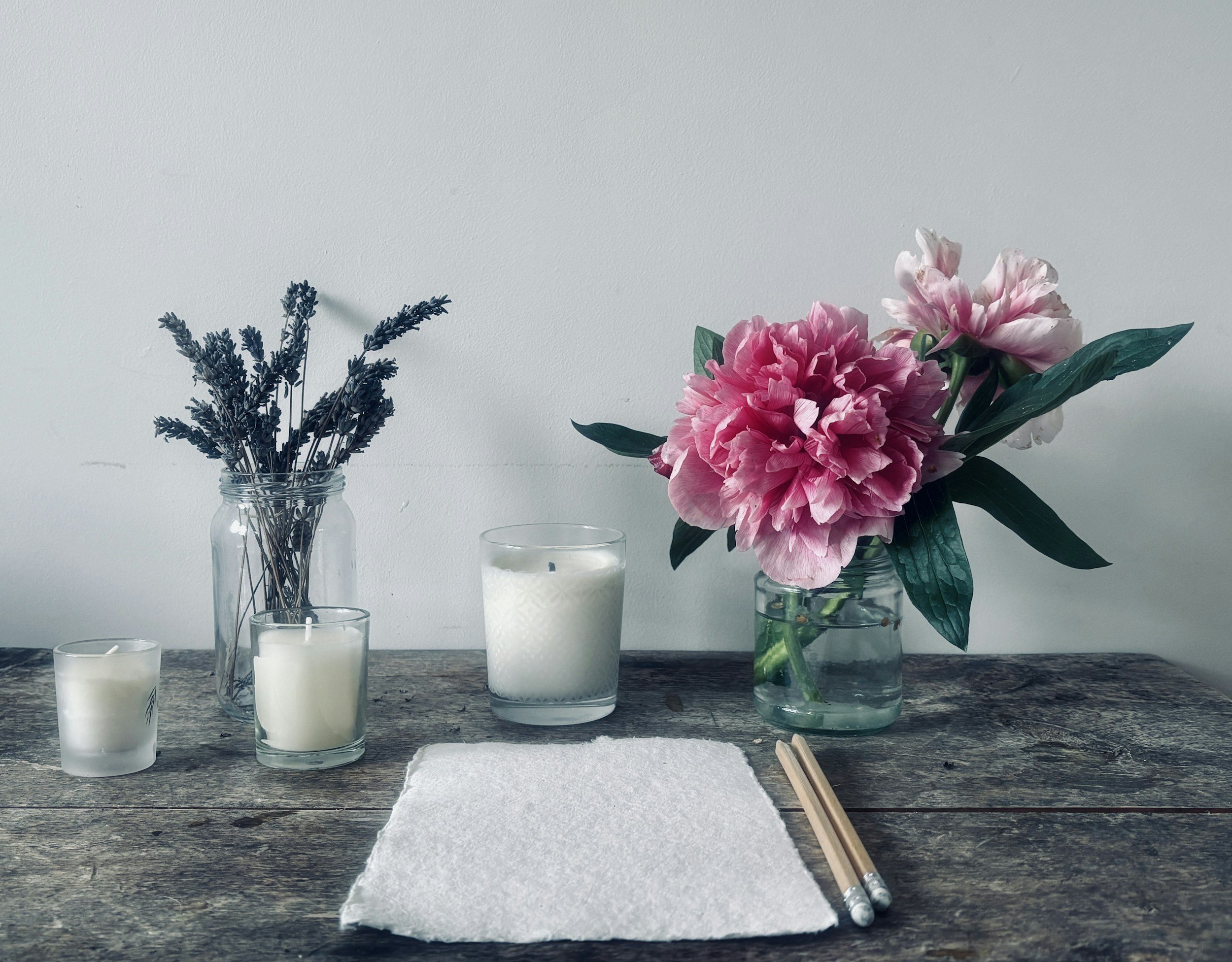
The sights, sounds, smells, and textures in our homes are constantly influencing our wellbeing
I'm speaking to you today not just as an interior designer, but as someone who's spent 20 years navigating disability and neurodiversity at home. My older daughter was born severely disabled, and my younger daughter struggled with anxiety growing up. These experiences taught me something crucial: our indoor environment isn't just about aesthetics - it's about health, comfort, and our ability to function at our best.
The Indoor Life Problem
Here's a startling fact: urban populations now spend 90 to 95% of their lives indoors. And after COVID, many of us are spending even more time at home, especially those of us working remotely. But what is this indoor existence doing to us?
Professor Charles Spence from Oxford University has written a fascinating book called "Sense-Hacking," and his research shows that many wellbeing problems we face today can be traced back to something called sensory imbalance. Now, you might be thinking - isn't the problem sensory overload? Too much noise, too many alerts, too many messages?
Well, yes and no.
Here's the interesting bit: nobody complains about too many smells, too many touch experiences, or too many taste sensations. The real issue is that we're overstimulating our rational senses - sight and sound - while completely neglecting our emotional senses: touch, taste, and smell.
Through my work with my daughters, I've seen firsthand how critical this balance is. For neurodiverse individuals especially, sensory imbalance can be overwhelming. But the good news? We can hack our senses to create environments that support rather than stress us.

When was the last time you spent proper time outdoors during daylight hours?
The Light Hunger Challenge
Let me ask you something: when was the last time you spent proper time outdoors during daylight hours? If you're working from home in these dark winter months, you might be experiencing what's called "light hunger" - a mild form of Seasonal Affective Disorder.
Our indoor existence means we're simply not getting enough natural light. This affects our mood, our sleep, our energy levels. Even my daughter, who has limited mobility, showed remarkable improvements in sleep and mood when we prioritized getting her near natural light during the day.
But here's where it gets exciting: when you do get outdoors, even briefly, you're not just getting light - you're triggering what scientists call the "nature effect" or biophilia. The greens of plants, the blues of water, even the sound of birds - all of these have been proven to reduce stress hormones, boost our immune systems, lower blood pressure, and help us recharge mentally.
The Scent of Home
Now, here's something you probably haven't considered: your home has a scent. You can't smell it because you've adapted to it, but it's there, and it's affecting you.
There's been a concerning rise in what's called Sick Home Syndrome - similar to the Sick Building Syndrome from the 1970s. This comes from poor air circulation, potential mould, and various chemicals from furniture, paints, and cleaning products. Some of these we can smell; many we cannot. But they can all affect our wellbeing.
On the positive side, scent can be one of our most powerful tools for emotional wellbeing. Our sense of smell is directly linked to the emotional centers of our brain. When my younger daughter was struggling with anxiety, we discovered that certain scents helped create calm spaces for her - lavender before bed, citrus in her study area.
Professor Spence suggests something brilliant for those working from home: if you've just had a stressful Zoom call or difficult work session, introduce a new scent. Change the olfactory environment. It can help your brain shift gears and let go of that stress.
Five Sense-Hacks You Can Try Today
So what can you actually do? Here are five simple sense-hacks I recommend to my clients at The Wellbeing at Work Studio:
1. The Morning Light Ritual Within an hour of waking, get outside or sit by a window with natural light for at least 10-15 minutes. No sunglasses. This resets your circadian rhythm and can dramatically improve your sleep and mood. If mobility is limited, positioning a chair or workspace near a window works wonders.
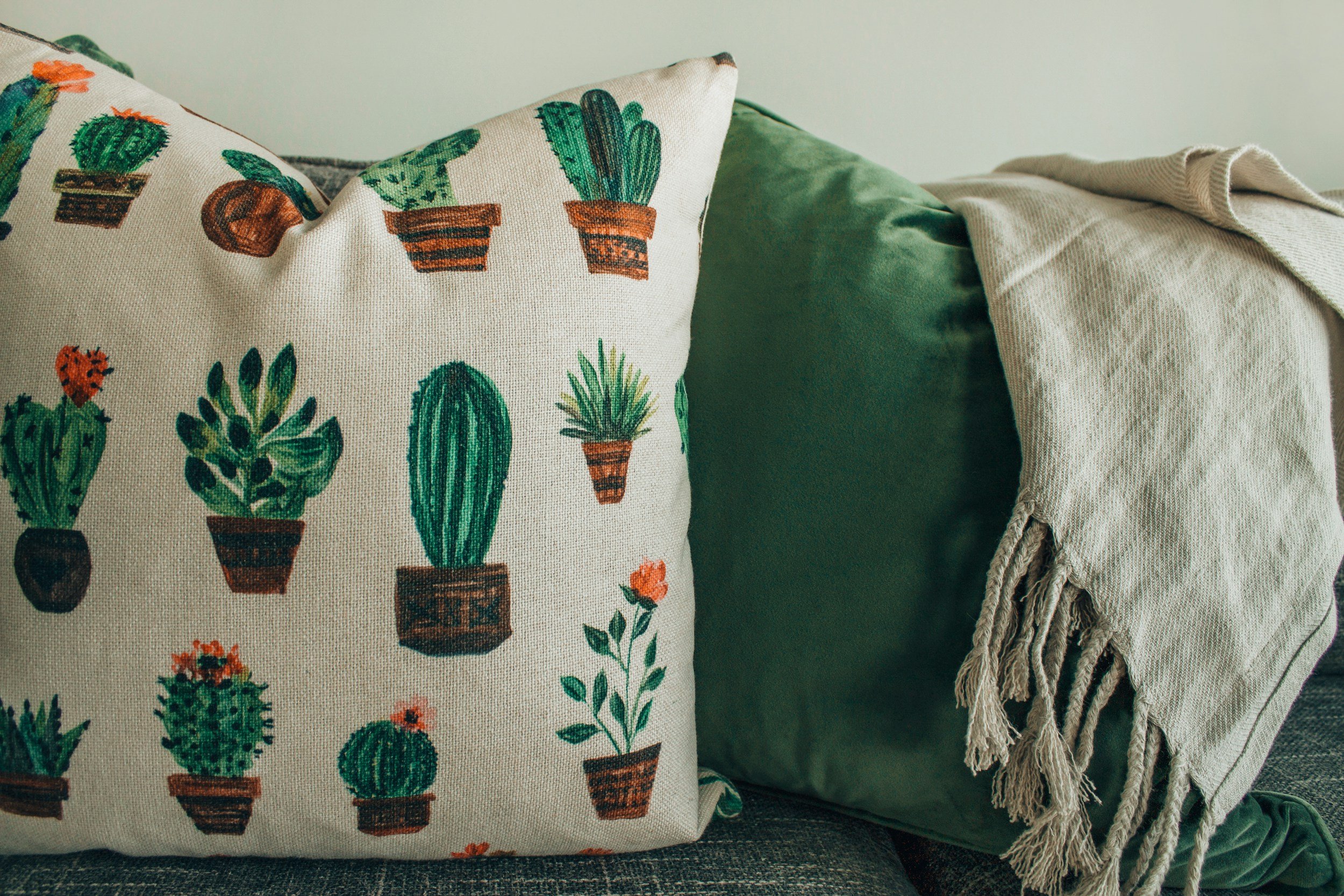
We have lost touch with touch! Make sure to introduce textured elements in your workspace for that re-assuring cocoon feel.